
Stellar Aerospace is an independent, student-run rocketry startup based in Urbana-Champaign, Illinois. We are designing, building, and testing a liquid-propellant rocket built to be the first student-built, liquid-fueled vehicle to reach space.
An independent, student-run startup, our team is pursuing goals no student rocket team has reached before.
As a startup rather than a university club, we set our own priorities and make our own decisions, which means faster progress and fewer approvals standing between an idea and hardware.
The first student-built, liquid-fueled rocket to cross the boundary of space.
The highest altitude reached by any student-built rocket.
Operating out of a leased space in Champaign, Illinois, we are a team open to students from every college and university across the Urbana-Champaign area, such as UIUC and Parkland College.
If successful, we will begin the development, construction, and testing of an orbital-class mid-size launch vehicle, also based out of our Urbana-Champaign workspace.
We plan to use the experience and network developed with this project and our upcoming project to transition into a startup focusing on rapid resuablitiy and the development of faster spacecraft propulsion methods.
Codename: The Guinea Pig. Every subsystem, from propulsion to recovery, is designed and tested in house.
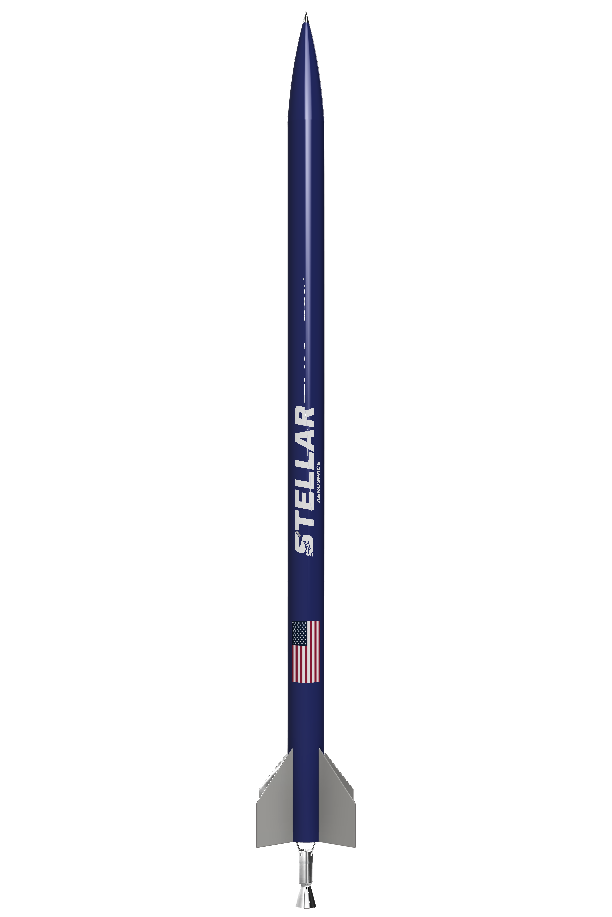
A liquid-propellant engine designed for high performance with a manufacturable, low-complexity architecture.
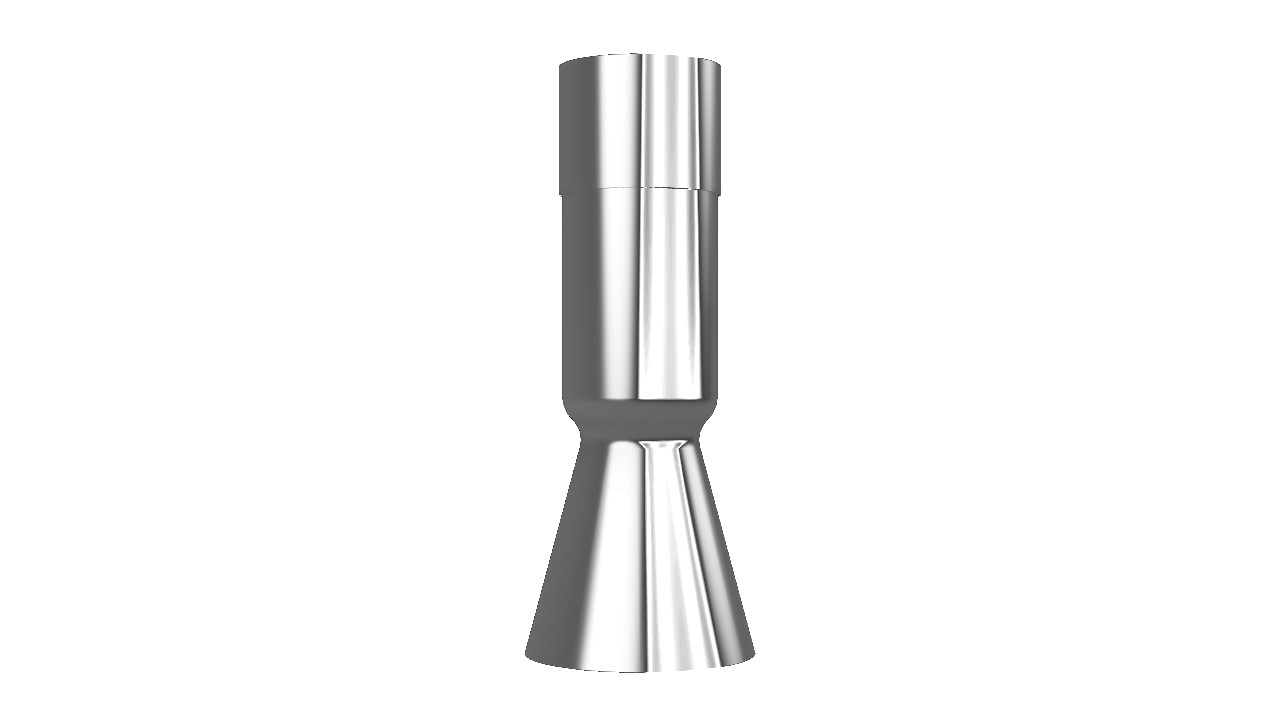
The outer shell of the engine is 3D printed from Inconel-718, a nickel superalloy chosen for its strength at high temperature and its ability to hold a geometry tuned for performance.
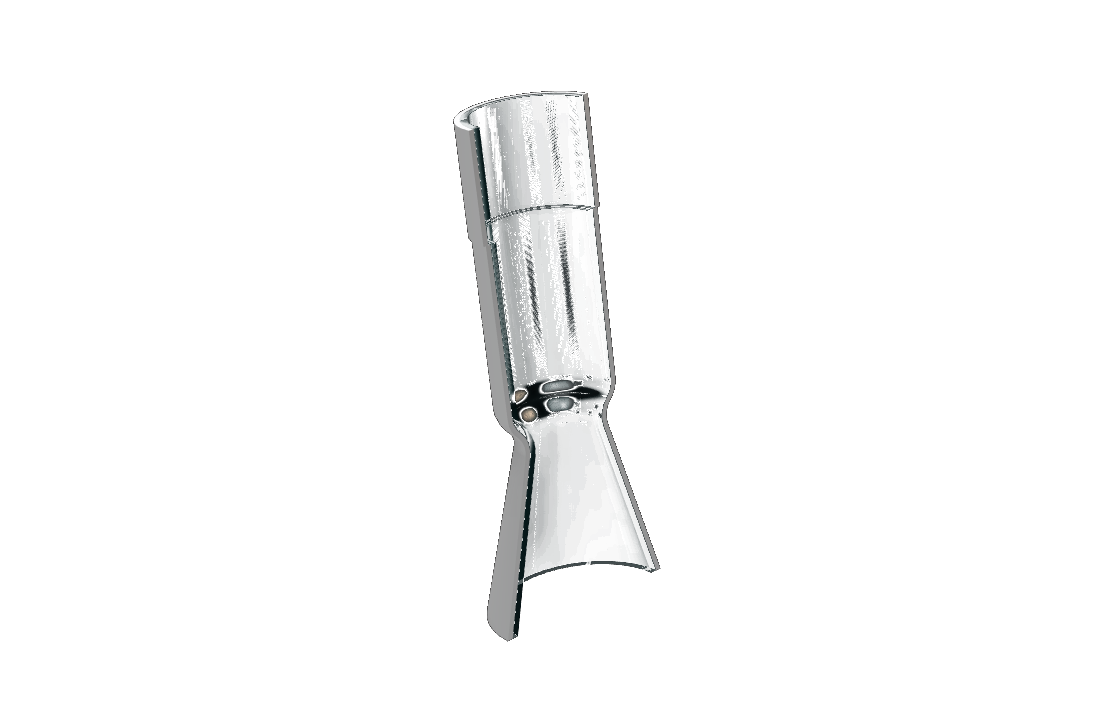
An ablative liner absorbs and carries away extreme heat without complex regenerative plumbing. Prioritizing simplicity lets this engine set a new standard for manufacturable, single-use propulsion.
We are assembling our founding team in Urbana-Champaign, open to students from every post-secondary school in the area. If you want to design, build, and fly real hardware alongside other students, we want to hear from you. No prior rocketry experience required, just a willingness to learn fast and build.
Design, simulate, and test the liquid-propellant engine, from injector to nozzle.
Design the airframe and fabricate flight hardware to survive launch, ascent, and recovery.
Build the flight computer, telemetry, and parachute recovery systems that bring the vehicle home.
Write the ground station, telemetry pipeline, and control software that flies the mission.
Own hazard analysis, test procedures, and range safety for every hot fire and launch.
Lead fundraising, sponsor relationships, budgeting, and outreach that keeps the team flying.
Document the build, run our social channels, and tell the story of the team.
Coordinate schedules, test logistics, and the workspace that keeps the team moving.
Bring a skill we have not listed. If it helps us build and fly, we want to talk to you.
Stellar Aerospace runs on the support of the companies below. We are a student-run startup, organized as an LLC and independent of any university, not a Registered Student Organization (RSO).


Interested in sponsoring the team? Get in touch.
Applications open for our founding team across every discipline: propulsion, structures, avionics, software, safety, business, and media.
The founding team is selected and onboarded, and design work on the vehicle and its subsystems begins.
Subsystem design continues across propulsion, structures, and avionics, alongside a fundraising push to fund the test stand and materials.
Design work and fundraising continue, refining subsystem requirements ahead of build season.
A dedicated workspace is leased, and buildwork begins on the engine test stand.
Construction of the test stand continues alongside development of the avionics and recovery systems.
Work continues in parallel on finishing the test stand and completing the avionics and recovery systems.
The engine is hot fired on the completed test stand, and integration with the rocket airframe begins.
Buildwork pauses for final exams, then resumes to finalize the rocket ahead of shipment.
The rocket launches from the Friends of Amateur Rocketry site in the Mojave Desert. A documentary of the build and launch is released, and a whitepaper on the results is completed and published.
